
Toronto, ON – Muscular Dystrophy Canada is proud to advance neuromuscular research by awarding $900,000 in research funding awarded through the 2026 Neuromuscular Research Grants competition.
This investment fuels clinical and translational research that is improving diagnosis, treatment and care —while accelerating the path toward life-changing treatments, therapies and, ultimately, cures. The funded projects aim to improve symptom management, healthcare assessments, understanding of disease progression, and overall care, while advancing innovative treatments. They cover a range of neuromuscular disorders, including two projects on Charcot-Marie-Tooth disease (CMT), and one project each on riboflavin transporter deficiency (RTD) and spinal muscular atrophy (SMA). We are also proud to fund four projects focused on myotonic dystrophy (DM) – including myotonic dystrophy type 1 and congenital myotonic dystrophy, made possible through a special sub-call supported by the Van Bommel Research Fund.
“These grants represent far more than funding—they are a powerful force for change with the neuromuscular community,” said Stacey Lintern, CEO, Muscular Dystrophy Canada. “By investing in bold, innovative research, we are breaking down barriers that limit access to care, slow diagnosis, and delay new treatments and therapies. Every project helps to bring us closer to finding new treatments, therapies, and hopefully, cures. This investment into cutting-edge research is only possible because of the researchers, clinicians, scientific reviewers, and lived experience members who so generously volunteer their time and expertise to the rigorous selection process. Their dedication is helping to turn hope into action.”
The 2026 competition drew an exceptional field of high-quality applications. We thank every research team for their vision, dedication, and leadership. Together, we are not waiting for change—we are creating it. Congratulations to this year’s recipients!
2026 Clinical and Translational Science Research Grant Recipients
 Dr. Bernard Jasmin
Title: Characterization of Bitter Melon Natural Compounds as Novel Therapeutics for Myotonic Dystrophy – University of Ottawa
Disorder Covered: Myotonic dystrophy type 1
Myotonic dystrophy type 1 (DM1) is a genetic neuromuscular disorder that affects muscles and multiple body systems, and current treatments only manage symptoms without slowing disease progression. This project will investigate a potential new therapy using natural compounds derived from bitter melon, which may activate AMP-activated protein kinase (AMPK), a protein linked to improved muscle health. By studying whether these compounds can safely activate AMPK and enhance muscle function in DM1 models, the research aims to identify a promising new treatment approach that could improve muscle health and quality of life for people living with DM1.
 Dr. Rashmi Kothary
Title: Investigating Prenatal Therapy for Spinal Muscular Atrophy – Ottawa Hospital Research Institute
Disorder Covered: Spinal muscular atrophy
Spinal muscular atrophy (SMA) is a genetic neuromuscular condition that causes progressive muscle weakness. Although treatments are available, they are typically given after birth, even though research shows the disease process begins during pregnancy. This project will use a mouse model of SMA to study whether treatment during pregnancy can better protect developing nerves and muscles, helping determine if earlier intervention could improve outcomes and guide future treatment approaches for children born with SMA.
 Dr. Hanns Lochmüller
Title: Uncovering Novel Therapeutic Strategies for the Treatment of Riboflavin Transporter Deficiency – Children’s Hospital of Eastern Ontario
Disorder Covered: Riboflavin transporter deficiency
Riboflavin transporter deficiency (RTD) is a rare genetic condition that typically begins in childhood and can cause muscle weakness, balance problems, and serious breathing difficulties. The disease occurs because the body cannot properly absorb riboflavin (vitamin B2), which cells need to produce energy. While high-dose riboflavin treatment helps some patients, it does not stop disease progression for everyone. This research will explore new strategies to improve how the body uses riboflavin by testing three approaches aimed at increasing its availability and supporting cellular energy production, with the goal of identifying new drug therapies and paving the way for future clinical trials.
Dr. Ilka Heinemann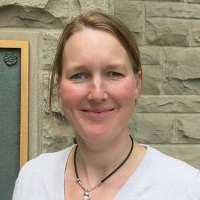
Title: Targeted Amino Acid Supplementation for Disease-Causing aaRS Alleles – Western University
Disorder Covered: Charcot-Marie-Tooth disease
Charcot-Marie-Tooth disease (CMT) is a genetic condition that damages peripheral nerves, causing muscle weakness and loss of sensation, often in the hands and feet. Some forms are linked to mutations in aminoacyl‑tRNA synthetase genes (aaRS), which play a key role in protein production. This project will study patients with these genetic changes to explore whether targeted amino acid supplementation can help restore normal cell function. Using patient-derived cell models, researchers will test how these supplements affect the disease process, with the goal of supporting future clinical trials and developing a simple, accessible treatment approach for certain forms of CMT.
 Dr. Mohamed Chahine
Title: Patient-Specific Forebrain Organoids Derived from iPSCs as a Model of Congenital Myotonic Dystrophy – Université Laval
Disorder Covered: Congenital myotonic dystrophy
Congenital myotonic dystrophy (CDM1) is a severe form of myotonic dystrophy type 1 that affects babies from birth and can impact both muscles and brain development, leading to challenges with learning, communication, and cognition. Because current research tools do not accurately replicate the developing human brain, scientists still do not fully understand why these neurological symptoms occur. This project will create patient-derived stem-cell “mini-brain” models, known as organoids, to study how CDM1 affects brain development, helping researchers better understand the disease and guide the development of future treatments that address both neurological and muscle symptoms.
 Dr. Rami Massie
Title: Characteristics of SORD-Related Polyneuropathy in a Large Canadian Neuropathy Cohort – McGill University
Disorder Covered: Charcot-Marie-Tooth disease
Hereditary neuropathies such as Charcot-Marie-Tooth disease (CMT) damage peripheral nerves, causing muscle weakness, sensory loss, and difficulty walking, and currently have no cure. Researchers have recently identified mutations in the SORD gene as a cause of a form of hereditary neuropathy that may be one of the most common inherited sources of nerve damage worldwide. As new treatments targeting this condition are being developed, this project will analyze data from a large Canadian neuropathy cohort to determine how common SORD-related neuropathy is in Canada and better understand how it presents, helping support clinical trial readiness and future advocacy to ensure Canadians can access emerging therapies.
 Dr. Elise Duchesne
Title: Improving Respiratory Health and Access to Care by Telerehabilitation in Myotonic Dystrophy Type 1 – Université Laval
Disorder Covered: Myotonic dystrophy type 1
Respiratory complications are a significant health risk for people living with myotonic dystrophy type 1 (DM1) due to weakness in the muscles used for breathing and coughing, which can increase the risk of infections like pneumonia. While previous research successfully improved inhalation strength, it did not lead to meaningful improvements in physical function because exhalation and coughing muscles were not addressed. This new study will test an eight-week, comprehensive virtual respiratory training program that targets inhalation, exhalation, and endurance, with the goal of improving respiratory health, enhancing quality of life, and helping establish a new standard of care for people living with DM1.

Dr. Omid Kiamanesh
Title: Optimizing Cardiac Surveillance in Female Dystrophinopathy Carriers: A Comparative Multi-Modality Imaging and Biomarker Study
Disorder Covered: Duchenne muscular dystrophy
Duchenne muscular dystrophy (DMD) is a genetic condition that causes progressive muscle weakness and primarily affects boys. Females who carry the DMD gene were once believed to be unaffected because many do not show obvious muscle symptoms. However, recent research shows that up to half of female carriers can develop heart-related complications over time, including the buildup of scar tissue in the heart that may lead to heart failure. Detecting these changes early is important so that care and monitoring can begin before serious complications develop.
Currently, the most accurate way to detect these heart changes is through a specialized imaging test called cardiac magnetic resonance imaging (CMRI). While CMRI is considered the gold standard, it is expensive and not always easy to access across Canada, making it difficult to use for routine screening. This study will investigate whether more accessible tools, such as echocardiography (heart ultrasound) and biomarkers found in blood tests, can help identify female carriers who may be developing early signs of heart involvement.
By comparing these different approaches, the study aims to develop a more practical and efficient screening strategy for female carriers of DMD. This could help ensure earlier detection of heart complications, improve monitoring and care, and allow CMRI to be prioritized for those who are most at risk. Ultimately, this research seeks to strengthen the care pathway for female carriers and support better long-term heart health.
 Dr. Nicolas Dumont
Title: Targeting Mitochondria for the Treatment of Myotonic Dystrophy Type 1 – CHU Sainte-Justine
Disorder Covered:Myotonic dystrophy type 1
Myotonic dystrophy type 1 (DM1) is a genetic neuromuscular disease that causes progressive muscle weakness and can affect many parts of the body. In healthy muscle, specialized cells called muscle stem cells help repair and rebuild damaged muscle tissue. However, recent research shows that in people with DM1, these muscle stem cells do not function properly.
In DM1, muscle stem cells stop dividing earlier than they should and gradually lose their ability to replace damaged muscle fibers. This contributes to the progressive loss of muscle strength seen in the disease. One possible reason for this dysfunction may involve mitochondria, which are the energy-producing structures inside cells that help power many important cellular processes, including cell division.
Our previous work has shown that mitochondria in DM1 muscle stem cells have abnormal shapes and reduced ability to produce energy. These findings suggest that mitochondrial dysfunction may play an important role in the failure of muscle stem cells to properly repair muscle tissue.
This project will investigate how mitochondrial problems affect muscle stem cell function in DM1 and explore potential strategies to restore their activity. By better understanding this process, our research could help identify new therapeutic approaches aimed at improving muscle repair and slowing disease progression for people living with DM1.
Together, we are advancing neuromuscular research.
These critical advancements in neuromuscular research have been made possible thanks to the support of generous donors, passionate fundraisers, committed partners, lived experience reviewers, and dedicated Fire Fighters across Canada who are taking action to move research forward. Together, we are breaking down barriers, accelerating discovery, and opening the door to the next generation of life-changing treatments—while delivering better care today.
Muscular Dystrophy Canada is proud to work with our partners to push neuromuscular research further and faster. Every funded project builds momentum.
Learn more about Muscular Dystrophy Canada’s research investments and how we are breaking down barriers to improve lives at www.muscle.ca.
– 30 –
ABOUT MUSCULAR DYSTROPHY CANADA
Muscular Dystrophy Canada’s mission is to support Canadians affected by neuromuscular disorders by funding research into life-changing therapies and treatments; delivering customized supports for clients and their families; advocating for positive changes in public policies that affect our community; and building partnerships that will lead to tomorrow’s groundbreaking discoveries. To learn more, visit muscle.ca or call 1-800-567-2873.
MEDIA CONTACT
Homira Osman
Vice President, Research, Public Policy & Programs
Homira.Osman@muscle.ca
437-912-9037