Diagnosing a neuromuscular disorder can be complex, and treatment options vary depending on the type.
Learn about the steps involved in getting a diagnosis and how treatments can help manage symptoms and improve quality of life.
Diagnosing a neuromuscular disorder
Being diagnosed with a neuromuscular disorder (NMD) can be a lengthy process because symptoms can vary from one person to another or are general enough that a neuromuscular disorder is not always an obvious cause.
If a neuromuscular disorder is suspected, your doctor may refer you to a neuromuscular clinic for consultations and assessments. There are more than 30 neuromuscular clinics across Canada. Some are pediatric while others treat adults. Connect with your service specialist to help you navigate and access a clinic in your area.
Earlier diagnosis
We’re advocating for access to genetic testing so people can receive their diagnosis faster.
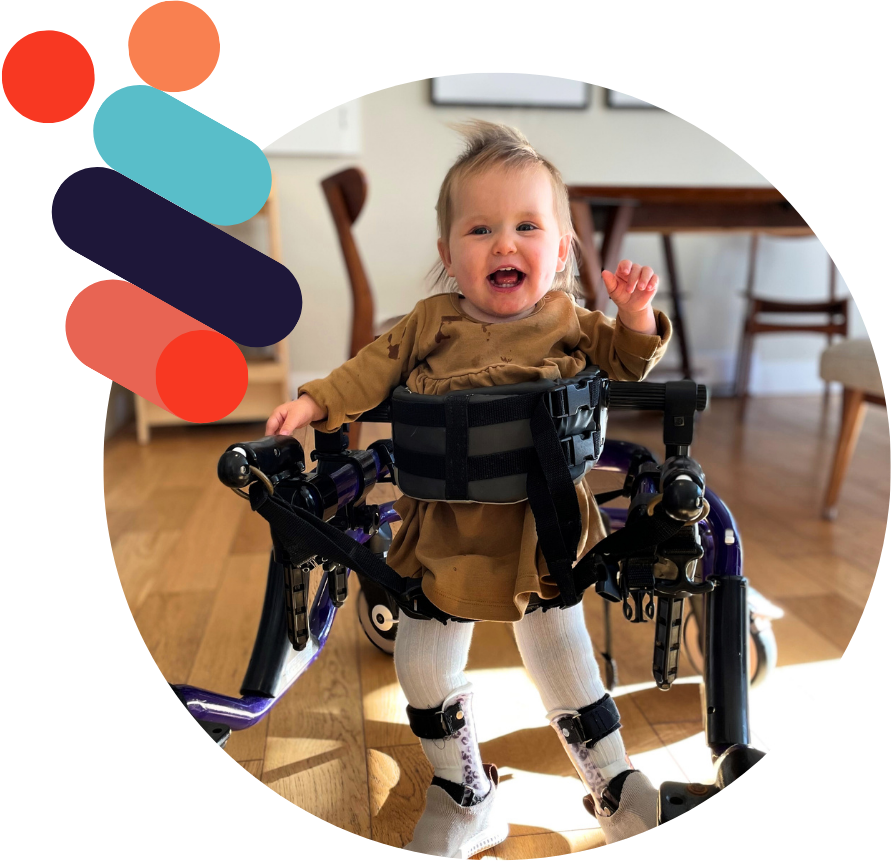
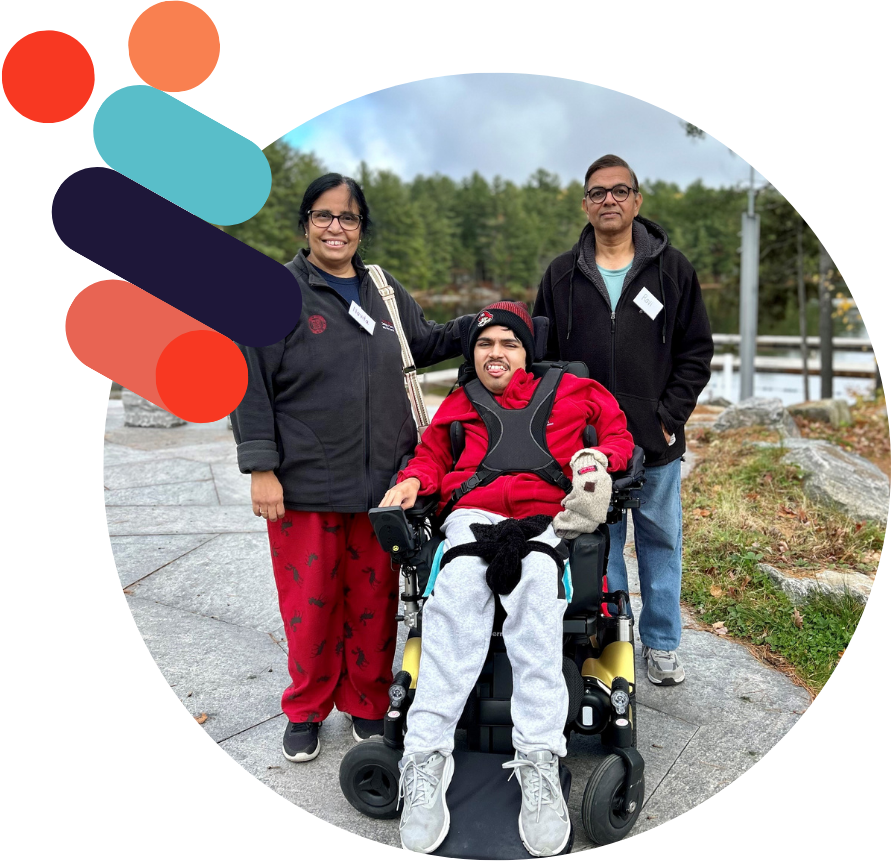
NMDs can be progressive, leading to a gradual loss of muscle strength and function. For some people, symptom progression can slow, making their neuromuscular disorder nearly invisible to those who don’t know about it. Other people living with neuromuscular disorders may find it becomes more difficult to do everyday tasks and need assistive devices and other forms of support.
While many NMDs have no cure, medical interventions have increased lifespan and improved the quality of life for many people. These interventions focus on treating or delaying symptoms, enhancing physical mobility and social interactions, and preventing heart and lung complications.
Life-changing therapies and treatment are available for certain types of NMDs – for example, spinal muscular atrophy – and we are closely monitoring the status of new drugs being developed and tested.